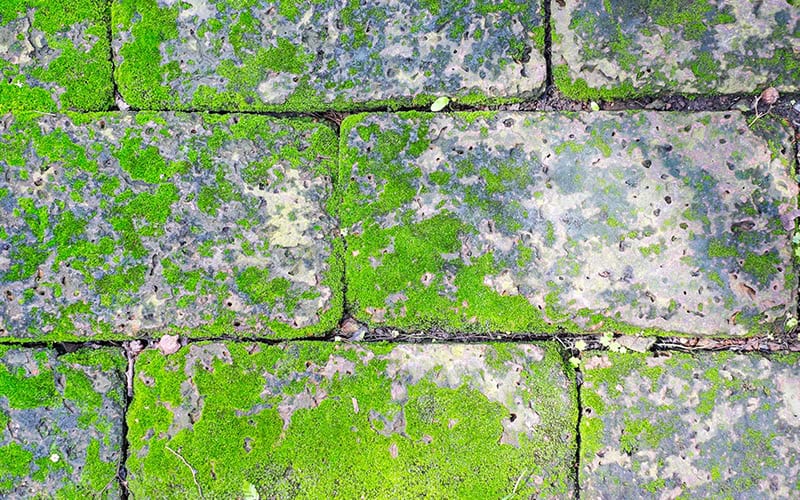
You walk outside one morning and notice your driveway has a green tint that wasn't there a few weeks ago. Maybe it's growing along the edges, spreading through the expansion joints, or covering the entire surface. No matter how often you sweep or rinse it off, the green color keeps coming back.
If you live in Port St. Lucie, Stuart, Jensen Beach, Palm City, Jupiter, Vero Beach, or anywhere else along the Treasure Coast, you're not imagining things. Green algae is one of the most common exterior cleaning problems homeowners face in our area. Warm temperatures, frequent afternoon storms, high humidity, and regular irrigation create the perfect environment for algae to thrive.
The good news is that a green driveway doesn't usually mean your concrete or pavers are damaged. However, ignoring the problem can lead to slippery surfaces, stubborn staining, and a home that never quite looks clean.
Here's why your driveway keeps turning green, what you can do about it, and how to keep it from coming back.
What Is the Green Stuff on My Driveway?
In most cases, the green film covering your driveway is algae.
Algae are tiny plant-like organisms that flourish anywhere moisture and sunlight meet. Unlike weeds or moss, algae don't need soil to grow. They attach themselves directly to hard surfaces like:
- Concrete driveways
- Paver driveways
- Sidewalks
- Patios
- Pool decks
- Walkways
Because concrete is naturally porous, it traps moisture beneath the surface. Add a little shade from nearby trees and Florida's humid climate, and your driveway becomes an ideal place for algae to grow.
Many homeowners assume they're looking at mold or mildew, but algae is usually the culprit. While all three are forms of organic growth, algae are by far the most common cause of green discoloration on driveways throughout the Treasure Coast.
Why Does It Happen So Quickly on the Treasure Coast?
Homeowners moving here from other parts of the country are often surprised by how fast their exterior surfaces become dirty.
The Treasure Coast has several conditions working against you.
Warm Temperatures Year Round
Unlike northern climates where algae die back during winter, our mild temperatures allow organic growth to continue almost every month of the year.
That means your driveway rarely gets a true break.
Frequent Rainfall
Summer thunderstorms provide a constant source of moisture.
Even after a sunny afternoon, another rainstorm may arrive the next day, keeping concrete damp enough for algae to continue spreading.
High Humidity
Humidity levels remain high for much of the year across Port St. Lucie, Jensen Beach, Stuart, Jupiter, and Vero Beach.
Even when it isn't raining, moisture remains trapped on outdoor surfaces much longer than in drier climates.
Irrigation Systems
Many homeowners unknowingly feed algae every morning.
Sprinklers that regularly spray driveways and sidewalks create ideal growing conditions. Areas near sprinkler heads are often the first places where green discoloration begins.
Shade
Large oak trees, palms, privacy hedges, and neighboring homes reduce sunlight.
Without direct sunlight to dry the surface, algae can spread much faster.
How Does My Neighbor's Driveway Stay Clean?
This is one of the questions we hear most often.
Two homes next to each other can have completely different results because of factors like:
- Tree coverage
- Irrigation patterns
- Drainage
- Driveway orientation
- Amount of daily shade
- Air circulation
A driveway facing north may remain damp for hours longer than one receiving full afternoon sun.
Likewise, a property with poor drainage may constantly retain moisture after every storm.
Small differences can make a huge impact over time.
Is Green Algae Dangerous?
Besides hurting your home's appearance, algae can become a genuine safety concern.
When algae become wet, they create a slick surface that significantly reduces traction.
This is especially concerning for:
- Children playing outside
- Elderly family members
- Pool areas
- Sloped driveways
- Front walkways
Every year, slippery exterior surfaces contribute to unnecessary slips and falls.
What begins as a cosmetic issue can quickly become a safety hazard.
Can Green Algae Damage My Driveway?
Algae themselves don't eat concrete or pavers.
The problem is everything that comes with them.
Organic growth traps moisture against the surface for extended periods. Over time, this can contribute to:
- Surface staining
- Accelerated weathering
- Dark discoloration
- Dirt buildup
- Joint sand deterioration on paver driveways
If your driveway is made of pavers, prolonged moisture can also encourage weeds to grow between the joints while slowly washing away stabilizing sand.
Keeping algae under control helps protect both your home's appearance and the lifespan of the surface itself.
If your driveway is made of pavers, our Complete Guide to Paver Sealing in Florida explains how sealing helps reduce moisture intrusion and makes routine maintenance much easier.
Can I Remove the Green Algae Myself?
Yes, but success depends on how severe the growth has become.
Many homeowners start with a garden hose, hoping a quick rinse will solve the problem.
Unfortunately, algae attach themselves firmly to porous surfaces. Water alone rarely removes them.
Others try:
- Household bleach
- Store-bought cleaners
- Vinegar
- Consumer pressure washers
Some of these methods can help temporarily, but they also come with drawbacks.
Bleach may kill surface algae but doesn't always remove the staining left behind. It can also damage nearby landscaping if used improperly.
Small electric pressure washers often lack the cleaning power needed for larger driveways, causing homeowners to spend hours with disappointing results.
Before attempting to clean your driveway yourself, read our guide on What Can You Pressure Wash at Home? It explains which projects are safe for DIY cleaning and when it's better to call a professional.
Why Does It Keep Coming Back?
One of the most frustrating things about algae is that it often seems to return just weeks or months after you've cleaned your driveway.
That doesn't necessarily mean the cleaning didn't work. More often than not, it means the conditions that allowed algae to grow in the first place haven't changed.
Algae reproduce through tiny airborne spores that are constantly present in the environment. Every time it rains or your irrigation system runs, those spores have another opportunity to settle onto damp surfaces and begin growing again.
Some of the most common reasons algae returns include:
- Excessive shade from trees or landscaping
- Frequent sprinkler overspray
- Poor drainage that allows water to collect
- Organic debris like leaves and pine needles
- Long periods between cleanings
On the Treasure Coast, these conditions are difficult to avoid completely. That's why routine exterior cleaning is far more effective than waiting until the driveway becomes heavily stained.
If you're wondering how often your home should be professionally cleaned, our article How Often Should You Pressure Wash Your Home in Florida? explains the ideal maintenance schedule for homes throughout Port St. Lucie, Stuart, Jensen Beach, Palm City, Jupiter, and Vero Beach.
How to Keep Your Driveway Cleaner Longer
While you can't completely eliminate algae, you can make it much harder for it to grow.
Trim Nearby Landscaping
Trees, shrubs, and hedges create shade while dropping leaves and other organic debris that retain moisture.
Pruning vegetation allows more sunlight and airflow to reach the driveway.
Adjust Your Irrigation System
If your sprinklers regularly spray the driveway, you're providing algae with fresh moisture almost every day.
A simple sprinkler adjustment can make a noticeable difference.
Keep the Surface Clean
Leaves, mulch, pollen, and dirt hold moisture against the concrete.
Sweeping your driveway regularly removes much of the material algae feed on.
Seal Paver Driveways
If your driveway is made from pavers, sealing creates a protective barrier that helps reduce moisture absorption and makes routine cleaning easier.
Sealing won't prevent algae forever, but it can significantly slow down how quickly organic growth returns while making future cleanings much more effective.
If your paver driveway has already been sealed, our guide How to Keep Pavers Looking New After Sealing offers practical maintenance tips to extend its appearance and protection.
When Should You Call a Professional?
Many homeowners successfully clean small areas of algae themselves.
However, professional pressure washing becomes the better option when:
- The entire driveway is covered with algae.
- The surface becomes slippery after rain.
- Algae keeps returning every few months.
- Store-bought cleaners aren't working.
- You don't have the equipment to clean safely and efficiently.
- You're preparing your home for sale.
- Your HOA has requested exterior cleaning.
Professional equipment provides higher cleaning performance while allowing experienced technicians to choose the correct pressure and cleaning methods for the surface being cleaned.
If you've reached the point where algae keeps coming back or your driveway no longer responds to DIY cleaning methods, it may be time to consider professional pressure washing in Port St. Lucie. An experienced contractor can safely restore your driveway while helping extend the time between future cleanings.
This helps remove organic growth without unnecessarily damaging concrete, pavers, surrounding landscaping, or nearby surfaces.
If your driveway has become difficult to keep clean, professional pressure washing can restore its appearance while helping protect your investment.
Final Thoughts
A green driveway is one of the most common exterior cleaning problems homeowners experience throughout the Treasure Coast. Fortunately, it's also one of the easiest problems to correct when addressed early.
Ignoring algae allows it to continue spreading, creating slippery surfaces, trapping moisture, and making your home look older than it really is.
Routine maintenance, proper drainage, smart landscaping practices, and professional pressure washing when needed can keep your driveway looking clean throughout the year.
If you've noticed your driveway becoming greener after every rainstorm, don't assume it's something you simply have to live with. Identifying the cause and addressing it early will save time, improve curb appeal, and help prevent more stubborn buildup in the future.
Need a quote for Pressure Washing?
A Buff & Beyond provides professional pressure washing services designed to clean and protect your property and deliver an outstanding look!
Frequently Asked Questions
Rain provides algae with the moisture it needs to grow, but the rain itself isn't the problem. The combination of moisture, humidity, shade, and organic debris creates the ideal environment for algae to spread. Along the Treasure Coast, frequent afternoon thunderstorms can keep driveways damp for extended periods, especially in shaded areas.
If your driveway consistently turns green after rain, it's usually a sign that algae spores are already present on the surface. Cleaning removes the visible growth, but routine maintenance and correcting moisture issues help slow its return.
Most green discoloration on driveways is algae.
Mold tends to appear darker, while mildew often looks white or gray. Although all three thrive in damp environments, algae are by far the most common cause of green concrete and paver surfaces throughout Port St. Lucie and the surrounding Treasure Coast communities.
A professional inspection can quickly determine what type of organic growth is present and recommend the most effective cleaning method.
Bleach may kill algae on the surface, but it rarely provides a permanent solution.
If the underlying conditions remain the same, such as excessive moisture, shade, or sprinkler overspray, algae will often return within a relatively short period of time.
Improper bleach use can also damage nearby grass, plants, and landscaping. For larger driveways or recurring algae problems, professional cleaning is typically a safer and more effective long-term solution.
Algae don't consume concrete or pavers, but they create conditions that can contribute to long-term deterioration.
Organic growth traps moisture against the surface, encourages staining, and makes it easier for dirt and debris to accumulate. On paver driveways, excess moisture can also contribute to joint sand erosion and increased weed growth over time.
Routine cleaning helps preserve both the appearance and longevity of your exterior surfaces.
There isn't a single schedule that fits every home.
Driveways with heavy shade, nearby trees, or frequent irrigation generally require cleaning more often than driveways exposed to full sunlight.
For many Treasure Coast homeowners, professional pressure washing every 12 to 18 months helps control algae before it becomes a major problem. Homes with significant tree cover or persistent moisture may benefit from more frequent service.
While no cleaning method can permanently eliminate algae, regular maintenance can dramatically slow its return.
Keeping your driveway free of leaves, improving drainage, trimming back landscaping, reducing sprinkler overspray, and scheduling routine professional cleanings all help create conditions that are less favorable for algae growth.
Addressing these contributing factors often makes a much bigger difference than simply cleaning the surface once and hoping the problem doesn't return.