The Short Answer
Paver sealing in Port St. Lucie works by deep cleaning the pavers, refilling the joints with fresh sand and applying a protective sealer that enhances color, resists stains and locks the sand in place. In Florida's rain, sun and irrigation, most sealers last 2 to 3 years, and the prep work decides how well the job holds up.
In This Guide
What Is Paver Sealing?
Paver sealing is a professional service that applies a protective coating over brick, concrete or stone pavers. In Port St. Lucie, where pavers face heavy rain, strong UV and constant irrigation, that coating is what keeps them looking new.
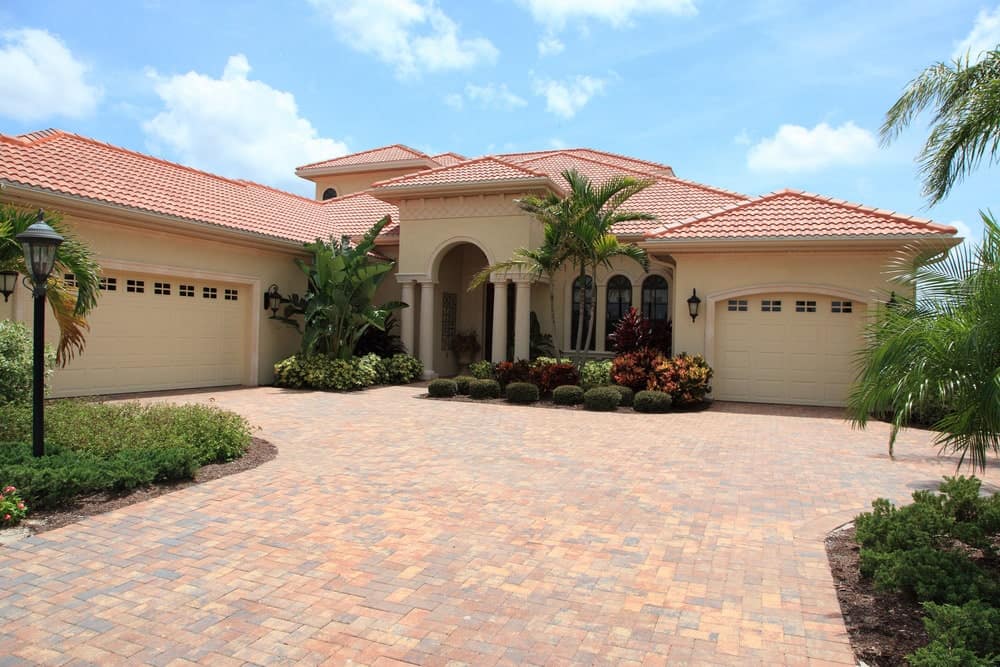
Pavers are one of the most popular upgrades for homes here, from long driveways in PGA Verano to backyard patios in Tradition and Telaro. A good seal protects that investment in several ways:
Without sealing, pavers stay porous and open to moisture and staining. Our crew uses a two-part, water-based polyurethane sealer that bonds to the pavers and locks in the joint sand beneath it.

Why Does Paver Sealing Matter in Port St. Lucie?
Florida is not a forgiving place for exterior surfaces, and Port St. Lucie combines sun, afternoon storms and irrigation on nearly every street. That mix breaks down unprotected pavers faster than in cooler climates.
In neighborhoods like Del Webb, Heron Preserve, Ditalia and Bedford Park, irrigation overspray and afternoon storms speed up joint sand erosion. Coastal humidity encourages mold and algae growth, especially on shaded surfaces. The city's reclaimed water rules require sprinkler heads to be adjusted to prevent over-spray onto paved surfaces, and when heads drift out of line the pavers stay wet and the joints wash out.
That is why homeowners across the Treasure Coast typically reseal every 2 to 3 years. For local service details, see paver sealing in Port St. Lucie.
How Does a Professional Crew Seal Pavers?
A professional crew cleans the pavers, lets them dry, refills the joints with sand and then applies the sealer evenly. Preparation is the most important part, and improper prep is the main reason sealing jobs fail early.
Skipping the cleaning step causes haziness or peeling, because the sealer cannot bond through dirt, algae and old residue. Read why pavers are pressure washed before sealing and why paver sealing fails in Florida for the most common preparation and application problems.
Want it done for you? A Buff & Beyond gives a free written, itemized quote that is fixed before the crew arrives, and Andrew replies right away by phone or text. Call (772) 971-2121 or request your free quote.
How Long Does Paver Sealer Last in Florida?
Most paver sealers last between 2 and 3 years in Florida. Driveways in full sun usually need resealing sooner than covered patios.
Lifespan depends on a few things:
High-traffic driveways and areas that take heavy irrigation may need attention sooner, and routine inspection prevents expensive restoration later. Our paver sealing comes with a two-year warranty against product failure. For a deeper breakdown, see how long paver sealer lasts.
What Happens If Pavers Are Never Sealed?
Unsealed pavers fade, stain and lose joint sand, and over time the upkeep costs climb. Small problems like weeds in the joints turn into shifting pavers that need repair.
Watch for the early signs too: dull color, joint sand erosion, more staining and water that no longer beads on the surface. If those show up in Tradition, PGA Verano or anywhere nearby, it may be time to reseal. See the signs your pavers need resealing and what happens if pavers are never sealed in Florida.

What Affects the Price of Paver Sealing in Port St. Lucie?
The price of paver sealing in Port St. Lucie depends mostly on the work that happens before the sealer goes down. Square footage matters, but prep is where most of the time goes.
Pricing reflects the preparation work, not just the sealer application. Every quote from our crew is free, written and itemized, and it is fixed before the crew arrives, so there are no hidden fees. Bundling sealing with pressure washing or roof cleaning saves money. For more, read what moves the cost of sealing pavers in Florida.
How Does Our Crew Handle Paver Sealing in Port St. Lucie?
Our crew seals pavers for homes in Port St. Lucie and across the Treasure Coast, including Tradition, Telaro, Del Webb and PGA Verano. Andrew replies right away by phone or text, and the quote is free, written and itemized.
A crew of 1 to 3 handles each job, fully insured with workers' comp and general liability. About 95% of the work is in HOA communities, and many paver sealing jobs start because neighbors saw ours. Pavers are a major investment, and the right team does the job correctly the first time.
Learn more about our paver sealing service, or call (772) 971-2121 for a quote. As a paver sealing company in Port St. Lucie, our crew also handles pressure washing and soft wash roof cleaning.
Frequently Asked Questions
Related services from our crew: pressure washing, paver repair and roof cleaning.