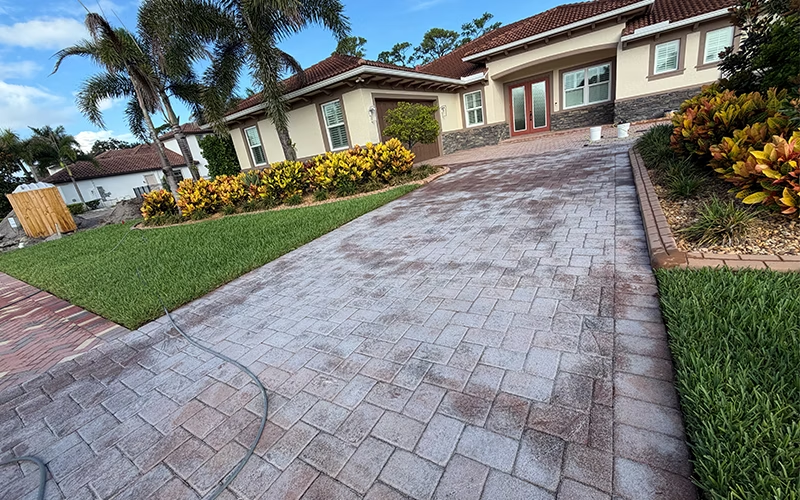
Florida summers bring afternoon thunderstorms, high humidity, and weeks of heavy rainfall. While this weather helps lawns stay green, it can quietly take a toll on your pavers.
Most homeowners expect rain to wash dirt away, but they don't always realize what happens after the storm passes. Moisture, heat, UV rays, and organic growth work together throughout the summer, gradually wearing down pavers and creating conditions that can lead to bigger maintenance issues if they're ignored.
The good news is that these problems don't develop overnight, and most can be prevented with routine inspections and proper maintenance.
Here's what every Florida homeowner should know about how summer rain affects pavers.
Rain Isn't the Problem. It's Everything That Comes After. Rain itself doesn't damage a properly installed paver driveway or patio.
The real issue is the cycle that follows.
Heavy rain saturates the surface, humidity slows the drying process, and the Florida sun quickly heats everything back up once the skies clear. This constant pattern repeats itself throughout the summer, creating the perfect environment for weeds, algae, mildew, and gradual joint erosion.
If your pavers suddenly begin absorbing water after a rainy season, it may be time for a closer inspection. Our article How to Know if Your Driveway Needs Resealing explains the warning signs homeowners should look for.
Over time, these conditions begin affecting both the appearance and performance of your paver system.
That's why it's important to think beyond the rain itself and focus on how your pavers respond after months of wet weather.
Heavy Rain Can Wash Away Joint Sand
Joint sand does much more than fill the spaces between your pavers.
It helps lock the pavers together, supports stability, and reduces movement throughout the surface.
During Florida's rainy season, repeated downpours and runoff can gradually erode that sand, especially in areas with poor drainage or heavy water flow.
Rain is only one part of the problem. Florida's intense sun, humidity, and changing weather patterns all work together to break down unprotected pavers. Learn more in our article How Florida Weather Destroys Your Pavers.
As the joints begin losing sand, homeowners may notice:
- Wider gaps between pavers
- Small weeds beginning to appear
- Ant activity
- Minor shifting or movement
- Uneven sections developing over time
These changes often happen slowly, making them easy to overlook until they become more noticeable.
One of the best ways to reduce joint sand erosion is with professional paver sealing. Our Complete Guide to Paver Sealing in Florida explains how sealing protects your pavers from Florida's harsh climate.
Weeds Love Florida Summers
If you've noticed more weeds growing between your pavers during the summer, you're not imagining it.
Warm temperatures, frequent rain, and plenty of sunlight create ideal growing conditions. Seeds carried by wind, birds, or nearby landscaping settle into the joints where moisture helps them germinate.
Contrary to what many homeowners believe, weeds don't usually grow up from underneath the pavers. They typically grow from organic debris that collects in the joints over time.
This is one reason routine maintenance matters.
Even professionally sealed pavers can develop weeds if dirt and debris are allowed to build up for months without attention.
Moisture Creates the Perfect Environment for Algae and Mildew
Florida's humidity is one of the biggest reasons pavers develop green or black discoloration.
Areas that receive less direct sunlight, such as north-facing driveways, pool decks, patios beneath trees, or shaded walkways, often stay damp much longer after rain.
That lingering moisture allows algae, mildew, and other organic growth to spread more quickly.
Besides affecting curb appeal, these surfaces can also become slippery when wet, creating a potential safety hazard for family members and guests.
Regular pressure washing can remove this buildup before it becomes more difficult to clean, especially during the rainy season.
Standing Water Can Reveal Drainage Problems
One of the easiest times to inspect your pavers is immediately after a heavy rain.
Instead of waiting until everything dries, take a walk around your property while puddles are still visible.
Pay attention to areas where water sits longer than expected.
Standing water may indicate:
- Low spots in the pavers
- Drainage issues
- Settling
- Improper grading
- Areas beginning to shift
These problems rarely fix themselves.
Addressing them early is often much easier than waiting until larger sections require paver repair.
Summer Rain Can Accelerate Sealer Wear
Rain doesn't automatically ruin paver sealer.
However, months of repeated moisture, UV exposure, foot traffic, irrigation, and Florida's intense summer climate gradually wear down the protective layer.
If you had paver sealing done several years ago, summer may simply reveal that the protection is beginning to fade.
Some common signs include:
- Colors looking dull
- Water soaking into the surface instead of beading
- Increased mildew growth
- More difficult cleaning
- Sand beginning to disappear from the joints
These are often early indicators that your pavers may benefit from professional evaluation.
If you're wondering whether your existing protection is still working, read How Long Does Paver Sealer Last in Florida? to learn when most Florida homeowners should plan on resealing.
Irrigation Systems Add Even More Moisture
Many Florida homes have irrigation systems that run several days each week.
When sprinkler heads consistently spray the same areas, pavers stay wet far longer than intended.
Combined with summer rain, this creates nearly constant moisture around driveways, walkways, and pool decks.
If you notice recurring algae or mildew in the same locations, your irrigation system may be contributing to the problem.
Sometimes adjusting sprinkler heads can significantly reduce future buildup.
The Sun Doesn't Undo the Damage
Many homeowners assume Florida's sunshine dries everything out and solves the problem.
In reality, UV exposure creates another challenge.
After repeated wet and dry cycles, sunlight slowly breaks down the protective qualities of older sealers while fading the natural color of the pavers.
This combination of rain followed by intense sunshine is one reason Florida pavers require different maintenance than pavers in cooler climates.
It's not one weather event that causes wear.
It's the constant cycle.
What to Check Before Summer Ends
Late summer is one of the best times to walk your property and inspect your pavers before the busy fall season begins.
Be on the lookout for:
- Faded color
- Missing joint sand
- Weeds between pavers
- Green or black organic growth
- Loose or uneven pavers
- Standing water after storms
- Areas where water no longer beads on the surface
Finding one or two of these signs doesn't necessarily mean major work is needed.
It simply means it's time to evaluate the condition of your pavers before small maintenance items become larger repairs.
Why This Matters for Treasure Coast Homeowners
Every city along the Treasure Coast experiences Florida's rainy season a little differently.
In Port St. Lucie, irrigation systems, HOA communities, and rapidly growing neighborhoods make routine exterior maintenance especially important.
In Stuart, mature oak trees and shaded properties often create ideal conditions for algae and mildew.
Jensen Beach homeowners deal with coastal moisture and salt air that can accelerate weathering.
Properties in Jupiter often feature larger outdoor living areas where preserving appearance is part of protecting a significant investment.
In Vero Beach, estate homes and expansive paver driveways require consistent maintenance to keep surfaces looking their best year after year.
While the environments vary, the goal remains the same: protect your investment before Florida's climate has the opportunity to cause more extensive wear. Check out the "Best Time of Year to Seal Your Pavers".
A Little Maintenance Goes a Long Way
Florida's summer rain isn't something homeowners can avoid, but the problems it creates can often be managed with regular inspections and preventative maintenance.
Paying attention to changing conditions throughout the rainy season helps you catch small issues before they become expensive ones.
At A Buff & Beyond, we believe homeowners should understand what they're seeing before deciding what needs to be done. Sometimes that means scheduling maintenance. Other times, it simply means keeping an eye on your pavers until they're truly ready for service.
The right recommendation is always the one that's best for your property, not the one that creates the next sale.
Florida's Climate Makes Paver Maintenance Difficult
Unlike many parts of the country, Florida homeowners deal with months of heavy rain followed by intense sun, high humidity, and year-round organic growth. These conditions make preventative maintenance especially important for paver driveways, patios, pool decks, and walkways. Whether your home is in Port St. Lucie, Stuart, Jensen Beach, Jupiter, or Vero Beach, understanding how the local climate affects your exterior surfaces helps you protect your investment and avoid unnecessary repairs.
If your pavers are already beginning to fade or lose their protection, our article 5 Signs Your Pavers Need to Be Resealed explains the warning signs to watch for before damage becomes more expensive to repair.
Need a quote for Paver Sealing?
A Buff & Beyond provides professional paver sealing services designed to seal and protect your pavers and deliver an outstanding look!