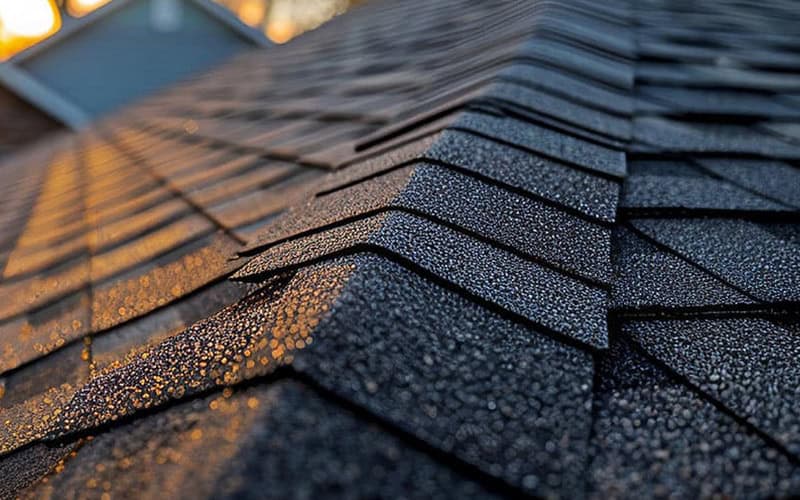
If you have ever looked up at your roof and wondered why it looks like someone smeared charcoal across your shingles or tiles, you are not alone. It happens to nearly every homeowner on the Treasure Coast, from Port St. Lucie to Jupiter, and it happens faster than most people expect.
Black streaks on Florida roofs are usually caused by Gloeocapsa magma, a type of algae that thrives in warm, humid climates. If you're considering tackling the job yourself, read our guide Top 5 Mistakes Homeowners Make When Cleaning Their Roof before climbing onto your roof. It covers the safety risks, equipment, and common mistakes homeowners make.
The good news: those stains are not permanent. The bad news: the way most people try to remove them makes things significantly worse.
This article breaks down exactly what those black stains and green moss patches are, why Florida's climate practically grows them on command, and the one cleaning method that actually works without destroying your roof in the process.
What Are Those Black Stains on Your Roof?
Most homeowners assume the dark streaking on their roof is dirt, mold, or just general grime. In reality, it is almost always a specific type of cyanobacteria called Gloeocapsa Magma.
Sounds exotic. It is not. It is basically algae that loves humidity, heat, and the calcium carbonate found in most roofing materials. And if you live anywhere in South Florida, you have just handed it a five-star resort to live in.
As this algae grows and spreads, it develops a dark outer coating to protect itself from UV rays. That coating is exactly what leaves those ugly black and dark brown streaks running down your roof.
Left alone, it feeds on your roofing material, traps moisture, and accelerates the breakdown of your shingles or tiles. What starts as a cosmetic issue becomes a structural one faster than you would think.
What About the Green and White Patches?
The fuzzy green stuff is moss, and the white or light gray patches are typically lichen.
Moss holds moisture against your roof surface like a sponge. In Florida's wet season, that constant moisture leads to premature deterioration of shingles, lifted tiles, and in serious cases, water intrusion.
Lichen is the more stubborn of the two. It actually bonds to the surface of your roof and sends tiny root-like structures into the material. You can remove it, but you need the right method or you risk tearing up the surface trying.
None of these are things you want quietly growing overhead. And in the Treasure Coast's humid, warm climate, they spread fast.
Why Florida Roofs Get Dirty Faster Than Almost Anywhere Else
Here is the honest truth: Florida is basically a perfect incubator for roof algae and moss. Here is why.
- High humidity year-round. Gloeocapsa Magma and moss both thrive in moisture-rich environments. Florida's average relative humidity runs between 74% and 90% depending on the season. That is not a climate, that is a petri dish.
- Heat and sun exposure. The UV exposure here is intense, but ironically, shaded areas of your roof that get less direct sun stay damp longer, which is exactly where you will see the heaviest algae and moss growth.
- Rain frequency. The Treasure Coast averages over 55 inches of rainfall per year. Every rain event deposits airborne spores and organic debris onto your roof surface. Those spores find a foothold and start growing within weeks.
- Salt air. If you live near the coast in areas like Jensen Beach, Stuart, or Vero Beach, salt air adds an additional layer of organic material for algae to feed on.
- The trees. Anyone with oak, palm, or other mature trees near their home knows the debris that ends up on the roof. Leaves, pollen, and organic matter are basically fertilizer for everything you do not want up there.
Put all of that together and you have a recipe for a roof that looks like it aged ten years in two.
The Wrong Way to Clean Your Roof (And Why It Makes Things Worse)
Before we get to the solution, it is worth talking about what not to do, because this is where most homeowners and even some cleaning companies go wrong.
Pressure washing your roof is a mistake.
High-pressure water blasting is excellent for driveways, patios, and concrete surfaces. It is not appropriate for most roofing materials. Here is what it actually does to a roof:
- Strips the protective granules from asphalt shingles, dramatically shortening their lifespan
- Forces water under tile and shingle edges, creating moisture pathways into your attic
- Breaks the seal on tile roofing systems
- Voids many roofing manufacturer warranties
The fact that the algae disappears visually after pressure washing does not mean it is gone. The root structures remain embedded in the roofing material, and regrowth typically shows up within a few months.
The Right Way: Soft Wash Roof Cleaning
Soft wash roof cleaning is the safest method recommended by roofing manufacturers, the Asphalt Roofing Manufacturers Association, and most roofing contractors for exactly this reason. Not sure why soft washing is preferred over traditional pressure washing? Our article Soft Washing vs. Pressure Washing for Roof Cleaning explains the differences and why soft washing is the industry standard for most Florida roofs.
Instead of relying on high pressure to blast away growth, soft washing uses a biodegradable chemical solution applied at low pressure to kill algae, moss, lichen, and bacteria at the root level. The cleaning agent does the work. The water rinse at the end is gentle enough to avoid any damage to the roofing material.
Here is what makes it work where pressure washing fails:
It kills, not just cleans. The solution penetrates the algae colony and eliminates it at the source. There is nothing left behind to regrow.
It is safe for all roof types. Tile, shingle, and metal roofing all respond well to soft wash cleaning. No granules stripped, no lifted tiles, no warranty concerns.
The results last longer. Because the growth is killed rather than displaced, soft washed roofs stay clean significantly longer than pressure washed ones. Most homeowners in the Port St. Lucie and Stuart areas see results that last one to three years before any retreatment is needed.
It handles what pressure cannot. Lichen in particular is nearly impossible to remove safely with pressure alone. The soft wash solution loosens the bond lichen makes with the roof surface, allowing for safe removal without damage.
What to Expect From a Professional Soft Wash Roof Cleaning
If you have never had your roof professionally soft washed, here is a quick overview of what the process looks like.
- Pre-inspection. A good roof cleaning company will walk the roof or inspect it before beginning to identify any damaged areas, clogged gutters, or vulnerable spots that need attention before water hits the surface.
- Solution application. The soft wash solution is applied using low-pressure equipment, usually from the ground level or eaves height. It is worked across the entire roof surface, including ridgelines and valleys where growth tends to concentrate.
- Dwell time. The solution needs time to penetrate and kill the growth. Depending on how heavy the buildup is, this can range from 15 minutes to longer for severe cases.
- Rinse. A gentle low-pressure rinse removes the dead organic matter. In some cases, particularly with heavy moss, a soft brush or light scrubbing is used.
- Gutter check. Any debris that has come down during the rinse should be cleared from gutters and downspouts before the job is complete.
The entire process for an average-sized home in the Port St. Lucie area typically takes two to four hours depending on roof size and the severity of the growth.
How Often Should You Have Your Roof Cleaned in Florida?
For most homes on the Treasure Coast, a professional soft wash roof cleaning every one to two years is the right maintenance schedule.
Homes with heavy tree coverage, homes near water or in coastal areas like Jensen Beach and Vero Beach, and homes that have experienced significant algae growth in the past may benefit from annual cleaning. The warmer and more humid the microclimate around your home, the faster regrowth tends to occur.
One sign you are overdue: if you can see the dark streaking from the street, it has already been growing long enough to start causing material damage. Do not wait until it is severe.
Does Roof Cleaning Actually Help Your Home's Value?
It absolutely does, and in ways that go beyond curb appeal.
- Insurance implications. Several Florida homeowners insurance carriers have begun including roof condition as part of their renewal evaluation process. A roof with visible algae, moss, or organic staining can raise flags during inspections and in some cases has been cited as a reason for non-renewal. A clean roof is a document of maintenance.
- Buyer perception. If you are preparing to list your home, a dirty roof can sink first impressions before a buyer even walks in the door. A clean roof signals a well-maintained property. A stained one signals deferred maintenance regardless of what is happening on the inside.
- Extending roof life. This is the one most homeowners underestimate. Algae and moss deteriorate roofing material over time. Regular cleaning is not just cosmetic maintenance, it is a way of protecting an investment that costs tens of thousands of dollars to replace.
Frequently Asked Questions About Roof Cleaning in Florida
The Bottom Line
Florida is not kind to roofs. The combination of heat, humidity, rainfall, salt air, and constant UV exposure means that algae, moss, and lichen are not a question of if but when. The homeowners who maintain their roofs on a regular schedule spend less over time, hold more home value, and avoid the kind of deferred maintenance that turns a cleaning bill into a replacement bill.
Soft wash roof cleaning done right is one of the highest-return maintenance investments you can make on a Florida home. It costs a fraction of what roof repairs or replacement costs, it takes a few hours, and the results are visible from the street the same day.
A Buff and Beyond handles roof cleaning throughout the Treasure Coast. Whether you need roof cleaning in Port St. Lucie, roof cleaning in Stuart, or roof cleaning in Vero Beach, we get it done right. Call us at (772) 971-2121 or visit our roof cleaning service page to get started.
Once your roof is clean, keeping it that way is much easier with routine maintenance. Learn how often Florida homeowners should schedule roof cleaning in our article How Often Should You Clean Your Roof in Florida?.