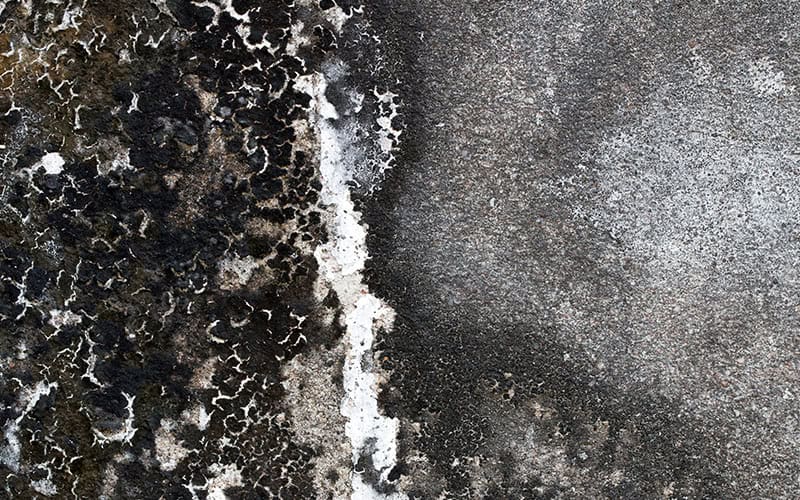
You glance outside and notice dark patches spreading across your driveway. At first, you assume it's just dirt from the last rainstorm, but over the next few months, those stains become darker, larger, and much harder to ignore. Even after spraying the surface with a hose, the black discoloration barely changes.
If this sounds familiar, you're not alone.
Homeowners throughout Port St. Lucie, Stuart, Jensen Beach, Palm City, Jupiter, Vero Beach, and the rest of the Treasure Coast frequently ask us why their concrete seems to turn black so quickly. It's one of the most common exterior cleaning issues we see, especially during our hot, humid summers.
The good news is that black concrete usually isn't a sign that your driveway is failing. In most cases, it's caused by organic growth and environmental conditions that can be safely removed with the proper cleaning methods.
Let's take a closer look at what's causing those black stains, why they're so common along the Treasure Coast, and what you can do to restore your driveway's appearance.
What Is the Black Stuff on My Concrete?
Most homeowners simply call it "black dirt," but it's usually much more than that.
Black discoloration on concrete is often a combination of:
- Algae
- Mold
- Mildew
- Lichen
- Airborne pollutants
- Embedded organic debris
- Tire residue
- Dirt trapped inside the pores of the concrete
Because concrete is naturally porous, it acts like a sponge. Tiny pores trap moisture, pollen, dust, and organic material that accumulate over time. As these materials remain damp, they create the perfect environment for algae and mildew to grow.
Unlike surface dirt that can often be rinsed away, these contaminants work their way into the concrete, making the stains appear darker each season.
Why Does Concrete Turn Black Faster on the Treasure Coast?
Living near the coast comes with beautiful weather, but it also creates conditions that exterior surfaces love almost as much as homeowners do.
Humidity
High humidity keeps concrete damp long after rain has stopped.
Even on sunny afternoons, moisture can remain trapped inside porous surfaces, allowing organic growth to continue developing.
Frequent Afternoon Storms
Summer thunderstorms repeatedly soak driveways, sidewalks, and patios.
The constant cycle of getting wet and drying out provides ideal growing conditions for algae and mildew.
Shade
Large oak trees, palms, and mature landscaping reduce the amount of direct sunlight reaching your driveway.
Concrete that remains shaded throughout much of the day stays damp significantly longer than surfaces exposed to full sun.
Irrigation Systems
Automatic sprinkler systems are another major contributor.
If your sprinklers regularly spray the driveway, they create a consistent source of moisture that encourages black staining throughout the year.
Is Black Concrete Mold?
Sometimes.
Many homeowners assume every black stain is mold, but that's not always the case.
Black discoloration can be caused by several different organisms, including algae, mildew, mold, and lichen. Without looking closely, it's difficult to tell them apart.
Fortunately, the cleaning process for these types of organic growth is often very similar.
Regardless of which organism is responsible, allowing it to remain on your driveway for years can make removal more difficult as the stains become increasingly embedded within the surface.
Is Black Concrete Damaging My Driveway?
The staining itself isn't usually damaging your concrete.
However, the moisture associated with organic growth can create conditions that contribute to long-term deterioration.
Over time you may notice:
- More stubborn staining
- Increased surface discoloration
- Slippery conditions after rain
- Dirt accumulating faster
- Organic growth spreading into expansion joints
These locations stay damp longer than the center of the driveway.
Leaves, mulch, pine needles, and other organic debris also tend to collect along the edges, providing additional nutrients that encourage algae and mildew growth.
If left alone, those isolated patches slowly spread until much of the driveway appears dark and dirty.
Why Does It Always Start Near the Edges?
This is something many homeowners notice but rarely understand.
Black staining usually appears first:
- Along expansion joints
- Near landscaping
- Around sprinkler heads
- Against the garage
- Along sidewalks
- Under roof drip lines
These locations stay damp longer than the center of the driveway.
Leaves, mulch, pine needles, and other organic debris also tend to collect along the edges, providing additional nutrients that encourage algae and mildew growth.
If left alone, those isolated patches slowly spread until much of the driveway appears dark and dirty.
If you've noticed green staining before the darker discoloration appeared, you may also find our guide Why Does My Driveway Keep Turning Green? helpful. It explains how algae often begin developing long before heavy black staining becomes visible.
Can I Clean Black Concrete Myself?
In many cases, yes.
For light staining, homeowners may have success using:
- A stiff brush
- Concrete-safe cleaning solutions
- Consumer pressure washers
However, there are several mistakes we frequently see.
Using too much pressure can leave visible cleaning lines or even damage the concrete surface.
Household bleach may temporarily improve the appearance, but it often fails to remove deeply embedded staining and can damage nearby grass and landscaping if applied incorrectly.
Consumer pressure washers also lack the cleaning power needed for heavily stained driveways, leading many homeowners to spend an entire weekend cleaning only a small portion of the surface.
Before tackling the project yourself, our guide What Can You Pressure Wash at Home? explains which exterior cleaning jobs are suitable for DIY work and when professional equipment produces significantly better results.
Why Does the Black Staining Keep Coming Back?
Many homeowners are frustrated because their driveway looks great immediately after cleaning, only to become dark again several months later.
That's because cleaning removes the visible growth, but it doesn't eliminate the conditions that caused it.
The biggest reasons black staining returns include:
- Constant humidity
- Irrigation overspray
- Heavy shade
- Organic debris
- Poor drainage
- Infrequent maintenance
Throughout the Treasure Coast, these environmental conditions are simply part of living in a warm coastal climate.
Routine maintenance is the most effective way to prevent minor discoloration from becoming heavy staining.
Our article How Often Should You Pressure Wash Your Home in Florida? explains how often most Treasure Coast homeowners should schedule professional cleaning based on their property's environment.
How to Keep Your Concrete Cleaner Longer
Completely preventing black staining isn't realistic on the Treasure Coast, but there are several steps homeowners can take to slow it down and keep their concrete looking cleaner between professional cleanings.
Trim Back Trees and Landscaping
Overgrown landscaping creates shade and reduces airflow, allowing moisture to remain on your driveway much longer after rain.
Trimming back tree branches and shrubs helps sunlight reach the concrete, allowing it to dry more quickly and making conditions less favorable for algae and mildew.
Adjust Your Sprinkler System
Many black stains begin in areas that receive daily irrigation.
Take a few minutes to watch your sprinkler system while it's running. If water regularly sprays your driveway, sidewalk, or patio, adjusting the sprinkler heads can significantly reduce moisture buildup over time.
Remove Leaves and Organic Debris
Leaves, pine needles, seed pods, and mulch don't just make your driveway look messy. They trap moisture against the surface and provide nutrients that encourage organic growth.
Regular sweeping is one of the easiest ways to slow the return of black staining.
Clean Small Areas Before They Spread
If you notice a few dark spots beginning to form, don't wait until the entire driveway is affected.
Addressing minor staining early is usually much easier than restoring a heavily stained surface months later.
Routine maintenance almost always requires less time, less effort, and lower cost than allowing years of buildup to accumulate.
When Should You Call in the Experts?
Light staining can often be managed with routine homeowner maintenance.
However, professional cleaning becomes the better choice when:
- The staining covers most of the driveway.
- The surface has become slippery after rain.
- DIY cleaning methods no longer work.
- The stains continue returning every few months.
- You're preparing your home for sale.
- Your HOA has requested exterior cleaning.
- You want faster, more consistent results.
Professional equipment is designed to remove years of embedded organic growth safely and efficiently while minimizing the risk of surface damage.
If your driveway has become noticeably darker over time or cleaning it has become a recurring weekend project, it may be time to consider professional pressure washing in Port St. Lucie. Professional cleaning can restore your driveway's appearance while helping extend the time between future cleanings.
Final Thoughts
Black concrete is one of the most common exterior cleaning concerns homeowners experience throughout Port St. Lucie and the Treasure Coast. While it may seem like your driveway gets dirty overnight, the staining is usually the result of months of moisture, humidity, and organic growth gradually building on the surface.
The good news is that black concrete rarely indicates permanent damage. With proper cleaning and routine maintenance, most driveways can be restored to a much brighter, cleaner appearance.
If you've noticed your driveway becoming darker every year, don't ignore it. Addressing the problem early is easier, safer, and often more affordable than waiting until heavy staining has completely taken over the surface.
Need a quote for Pressure Washing?
A Buff & Beyond provides professional pressure washing services designed to clean and protect your property and deliver an outstanding look!
Frequently Asked Questions
Concrete is naturally porous, which allows moisture, pollen, dirt, and organic material to settle below the surface. Along the Treasure Coast, frequent rain, high humidity, and warm temperatures create ideal conditions for algae, mildew, and other organic growth to develop much faster than in drier climates.
Homes with heavy tree cover, regular irrigation, or poor drainage often experience black staining even sooner because the concrete stays damp for longer periods after rainfall.
It can be either, and sometimes it's a combination of several different types of organic growth.
Many homeowners assume black stains automatically mean mold, but algae, mildew, lichen, airborne pollutants, and embedded dirt often contribute to the discoloration as well. Fortunately, professional exterior cleaning is designed to address these contaminants regardless of which organism is primarily responsible.
Bleach may lighten some surface staining, but it rarely removes deep organic buildup completely.
It can also harm nearby landscaping if used improperly and may not address stains that have penetrated into the concrete's pores. For heavily stained driveways, professional pressure washing generally provides more consistent and longer-lasting results.
In most cases, the staining itself is cosmetic.
However, allowing moisture and organic growth to remain on the surface for extended periods can contribute to faster weathering, slippery conditions, and increasingly stubborn discoloration over time. Routine cleaning helps preserve both the appearance and longevity of your driveway.
Every property is different.
Driveways surrounded by mature trees or exposed to daily irrigation typically require more frequent cleaning than driveways receiving full sunlight throughout the day.
For many Treasure Coast homeowners, professional pressure washing every 12 to 18 months helps prevent heavy organic buildup while keeping the property looking its best.
You can't eliminate every environmental factor, but you can slow the process considerably.
Keeping your driveway free of leaves and debris, reducing sprinkler overspray, trimming back landscaping, improving drainage, and scheduling routine professional cleanings all help reduce the conditions that allow algae and mildew to thrive.
Consistent maintenance almost always produces better long-term results than waiting until the driveway has become heavily stained.